The evolution of gambling tracing its historical roots and cultural impact
Origins of Gambling in Ancient Civilizations
The practice of gambling can be traced back thousands of years to ancient civilizations such as the Chinese, Egyptians, and Romans. In these societies, gambling was not merely a pastime but often intertwined with cultural and spiritual beliefs. The earliest forms included rudimentary games of chance, such as dice and betting on the outcome of events, which reflected the human fascination with luck and fortune. In more recent times, the rise of online casinos real money has significantly changed how people engage with this age-old activity.
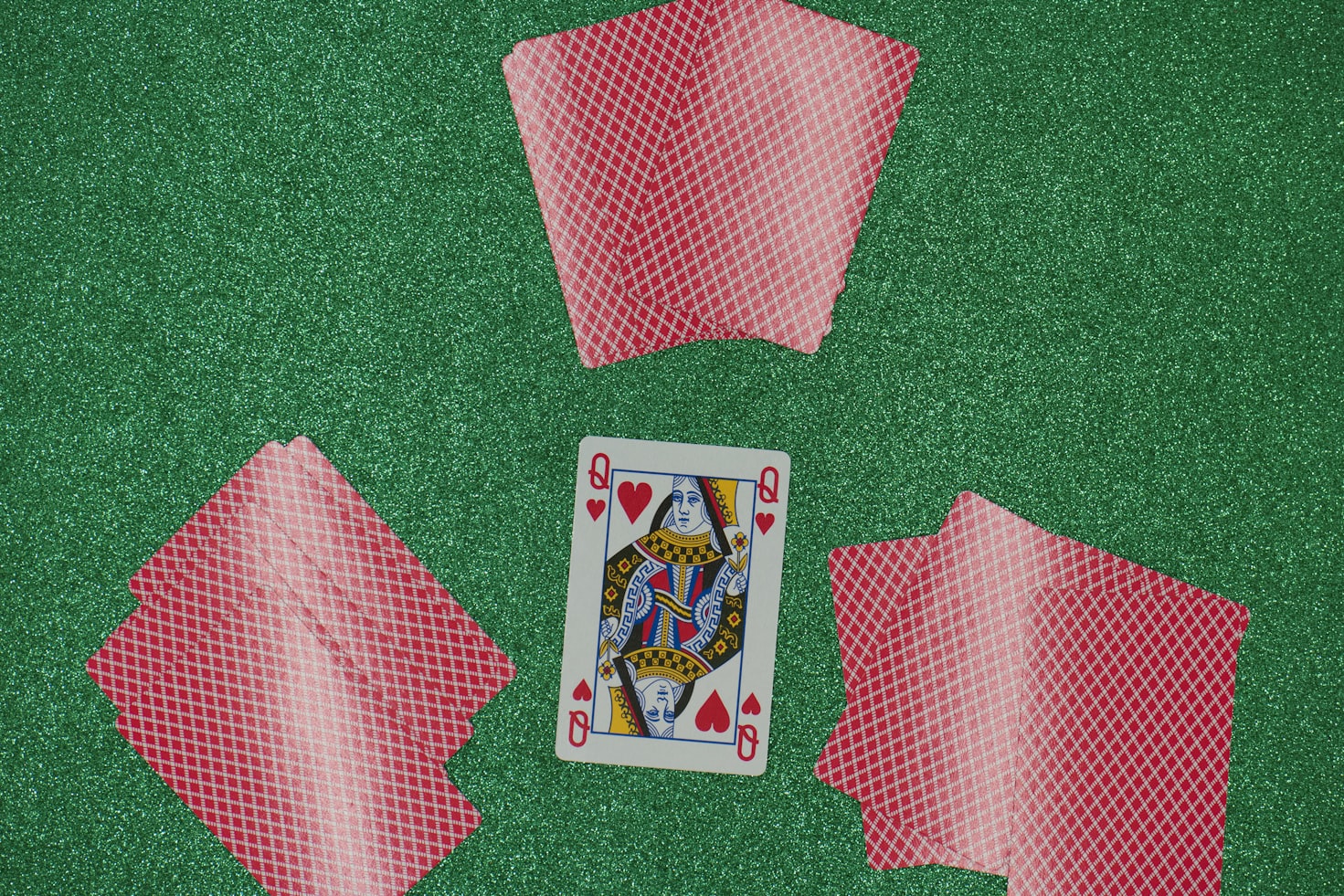
For instance, in ancient China, around 2000 BC, a game resembling modern-day keno was played, where players would bet on numbers. This early form of gambling served not only as entertainment but also as a means of raising funds for public projects, showcasing the dual role that gambling played in societal development.
The Role of Gambling in Medieval Society
During the medieval period, gambling became more structured and prominent in European culture. The advent of card games and the establishment of gambling houses marked a significant evolution. These establishments provided a social space where people from various classes gathered, blurring the lines of social hierarchy through shared experiences of risk and reward.
Moreover, gambling during this era was often linked to the ruling classes, with monarchs and nobles engaging in high-stakes games. This connection highlighted gambling as a reflection of wealth and power, influencing social norms and creating a cultural impact that resonated through literature and art of the time.
The Transformation in the 19th and 20th Centuries
The 19th century witnessed a revolution in gambling, fueled by the industrial revolution and the expansion of leisure activities. The establishment of formal casinos in places like Monte Carlo and Las Vegas transformed gambling into a global industry. This shift not only made gambling accessible to the masses but also integrated it into popular culture through films, music, and literature.
As gambling became more mainstream, it also faced scrutiny and regulation. Societies began to grapple with the social implications of gambling, leading to debates about morality, addiction, and the role of government in overseeing the industry. This period laid the groundwork for modern regulations that balance entertainment with responsibility.
The Cultural Impact of Gambling in Contemporary Society
Today, gambling is an integral part of global culture, with online platforms and mobile apps revolutionizing access and participation. This digital transformation has made it easier for people to engage with gambling, breaking down geographical barriers and creating a diverse community of players. However, it also raises concerns about responsible gaming and the potential for addiction, leading to discussions on public health and safety.
Celebrity gamblers have emerged as influential figures in this contemporary landscape, often shaping perceptions about gambling through their high-profile endorsements and personal narratives. Their stories reflect both the allure and the pitfalls of gambling, contributing to the ongoing dialogue about its place in modern culture.

Conclusion: The Importance of Responsible Gambling
As we trace the evolution of gambling, it becomes clear that its historical roots and cultural impact are profound and complex. From ancient rituals to modern digital platforms, gambling continues to adapt and influence society in various ways. The balance between enjoyment and responsibility remains a crucial aspect of its future.
Ultimately, understanding the evolution of gambling helps us appreciate its role in shaping human behavior and cultural norms. Engaging with gambling responsibly not only enhances individual experiences but also fosters a healthier relationship with this age-old practice.
Leave a Reply